
AI SEO for Higher Education: How to Get Your Institution Recommended by ChatGPT, Perplexity, and AI Search
February 5th, 2026 by
Half of prospective students now use AI search tools weekly to research programs. If your institution isn’t showing up in ChatGPT, Claude, Perplexity, or Google AI Overviews, you’re invisible to half your audience. In 2026, success is measured by AI citations and brand mentions within generative summaries, not just clicks. This guide covers what actually works for AI search visibility, based on testing, not theory. (Data source: UPCEA/Search Influence 2025 AI Search in Higher Education study)
The Shift in Student Search You Can’t Ignore
Half of prospective students now use AI-powered search tools at least weekly, and 79% read Google’s AI Overviews before clicking any result. That’s according to the 2025 AI Search in Higher Education study by UPCEA and Search Influence, which surveyed 760 adults actively researching programs.
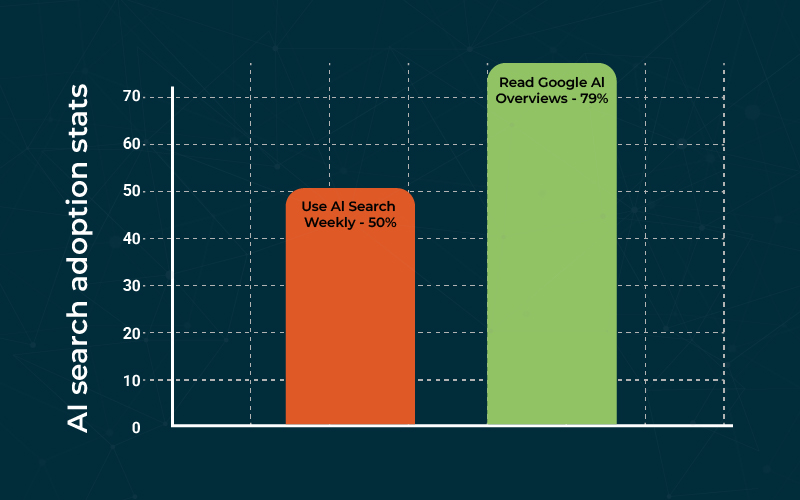
Source: UPCEA/Search Influence AI Search in Higher Education Study, 2025
While your team optimizes for Google rankings, half of your prospective students are also asking ChatGPT:
- “What are the best nursing programs near me?”
- “Which universities have strong data science programs?”
- “Should I go to [Your University] or [Competitor]?”
The uncomfortable truth: traditional SEO rankings don’t automatically translate to AI search results. Your brand is no longer just what you say about yourself, or even what others say about you. It’s what AI believes about you and shares with millions of prospective students.
I’ve been tracking this space since late 2022. Higher education institutions with strong Google rankings often get completely left out of AI-driven search results. While smaller schools with better-structured content show up consistently.
Traditional search engines still drive most organic traffic. That’s not changing soon. But AI search is a new channel growing fast, and it’s where a third of your prospective students are already researching. The catch: AI-generated search results often summarize information without requiring users to click through, which means even sites with strong search engine optimization can see declining traffic from AI-driven queries.
The universities that appear in AI-driven search results now will have a head start that the rest can’t easily catch up to.
What actually works?
How AI “Decides” What to Recommend
To make these SEO strategies work, you need to understand how these systems operate. It’s different from traditional search engines.
Large language models like ChatGPT, Claude, and Perplexity don’t crawl your site in real-time and rank web pages. They operate on different principles:
- They draw from training data
Content that existed when the model was trained becomes part of its “knowledge.” This is why outdated information persists. The model learned it months or years ago.
- They reference recent web crawls
Some models (like Perplexity and ChatGPT with browsing enabled) pull fresh content. But the freshness varies by platform and query type.
- They cite authoritative sources
AI systems prefer content that appears to know what it’s talking about. They’re pattern-matching on what “good sources” look like — structure, depth, and credibility signals.
- They match search intent, not just keywords
AI understands concepts and entities through natural language processing, not keyword matching. You don’t need “best MBA program for working professionals near Chicago” repeated verbatim. You need content that actually covers the topic in depth and with specificity. Traditional search engines match keywords; AI systems match user intent and search intent. This is why traditional keyword research alone isn’t enough anymore. You need to understand what prospective students actually want to know, not just what phrases they type.
- They prioritize E-E-A-T signals
AI systems, like traditional search engines, favor content that demonstrates Expertise, Experience, Authoritativeness, and Trustworthiness. Faculty credentials, institutional accreditation, specific outcomes data, and cited sources all signal that your content is worth recommending. Generic marketing copy doesn’t cut it.
What this means for you:
Your content needs to be structured so AI can understand it, not just index it. With Google, you’re trying to rank. With AI, you’re trying to be the source that gets cited when AI generates its response. Different goal, different tactics.
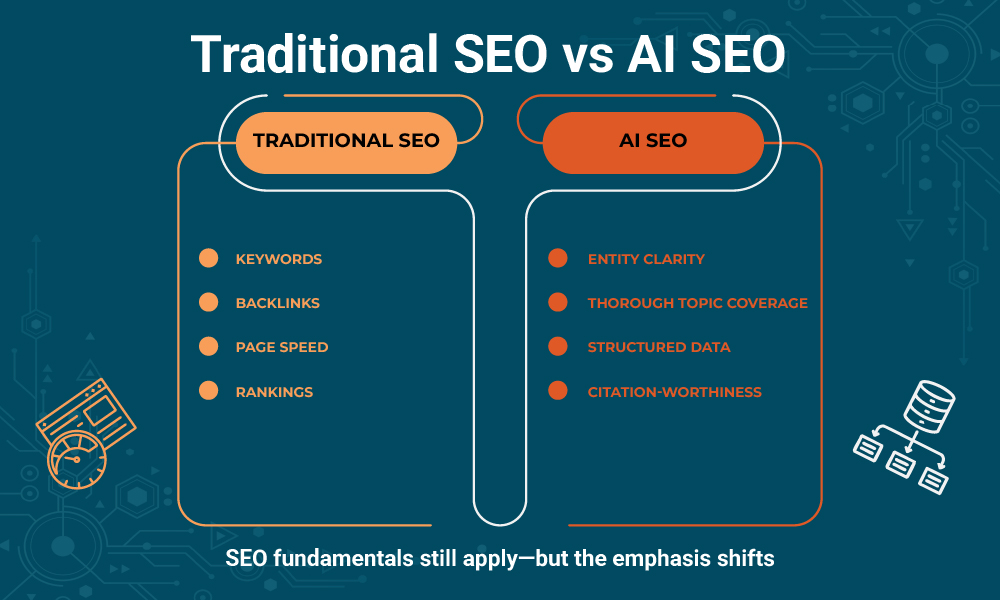
SEO fundamentals still apply—but the emphasis shifts.
SEO fundamentals still apply. Sites that rank well in Google tend to get cited more by AI, but it’s not automatic. Backlinks from authoritative sites signal to search engines that your website is trustworthy and valuable, and AI systems pick up on these same credibility signals. You need to optimize for both traditional search and AI platforms.
One principle remains constant: creating exceptional, high-quality content is the best way to boost SEO performance and satisfy prospective students. Content should prioritize people over bots. If it genuinely helps your target audience, it will perform well with AI systems too.
Learn how to optimize content for AI search engines with Search Influence.
Getting Your University Into AI Search Results
Start with the audit. You can’t fix what you can’t see.
Step 1: Find Out What AI Currently Says About You
This takes about 30 minutes, and it’s the most important 30 minutes you’ll spend on AI SEO.
Open ChatGPT, Claude, and Perplexity. Ask questions like:
- “Tell me about [Your University]”
- “What are the best [your program] programs in [your region]?”
- “Should I attend [Your University]?”
- “What is [Your University] known for?”
- “Compare [Your University] to [Competitor]”
- “What are the admission requirements for [Your University]?”
- “How much does it cost to attend [Your University]?”
Document everything in a spreadsheet. For each question, note:
- What’s accurate?
- What’s outdated?
- What’s completely missing?
- Are competitors mentioned instead of you?
- Is the information compelling or generic?
I’ve done this audit for dozens of higher education clients. What I find most often:
Competitor dominance
When students ask about programs you offer, competitors show up, and you don’t. This is the most painful finding, but it’s the most actionable.
Missing differentiators
AI can describe your university in generic terms, but doesn’t mention what makes you unique. Your $50M new engineering building? Your unique co-op program? Your 95% nursing board pass rate? If AI doesn’t know about it, AI can’t recommend you for it.
Outdated information
Programs that no longer exist, old leadership names, incorrect tuition figures, former campus locations. AI models don’t always have up-to-date information, and even when they do, they may have ingested outdated pages from your site.
Generic descriptions
AI says you’re “a comprehensive university offering undergraduate and graduate programs in a variety of fields.” That’s true. It’s also useless. Nobody chooses a university based on that description.
Step 2: Create Content That AI Wants to Cite
AI systems prefer citing website content that appears authoritative and thorough. They’re trained on high-quality content, so they pattern-match on what those sources look like. Your content creation strategy needs to account for this.
Create content that answers the specific questions students ask during their research process. That means your content needs to:
Be structurally parseable
AI reads differently from humans. Clear heading hierarchies (H2, H3, H4) help AI understand the relationship between concepts. Dense paragraphs of text are harder to parse than structured lists.
Formats that work well:
- FAQ sections that mirror natural language questions
- Definition lists for key terms
- Comparison tables
- Bulleted lists with specific data points
- Step-by-step numbered processes
Include specific, citable data
Vague claims get ignored. Specific data gets cited.
Include:
- Enrollment numbers (total, by program, by format)
- Graduation and retention rates
- Employment outcomes (percentage employed, average salary, top employers)
- Program rankings and accreditations
- Tuition costs (total and per credit hour)
- Financial aid statistics (percentage receiving aid, average package)
- Student-to-faculty ratios
- Research funding and grants
Answer the questions prospective students actually ask
Look at your website chat logs. Look at your admissions email inbox. Look at your campus visit Q&A sessions. What do prospective students actually want to know? This is better than any keyword research tool for identifying relevant keywords and topics.
Create structured content that directly answers those questions, and format it so AI can find and cite those answers.
Create multimedia content
Creating multimedia content (videos, infographics, virtual tours) enhances engagement and helps students envision themselves on campus. Video testimonials, program overviews, and campus walk-throughs give AI systems additional content to index. YouTube content especially matters; it’s owned by Google and feeds directly into AI training data.

Same content, restructured for AI visibility.
Step 3: Make Your Brand “Like Fluoride in the Water”
You want your brand to be so present across the web that AI just… knows you.
Think about Kleenex. Or Xerox. Or Google (as a verb). Nobody has to explain what these brands are. AI models have seen so many references across so many contexts that the brand is baked into their understanding.
Obviously, you can’t become Kleenex overnight. That takes decades. But you can systematically increase your brand’s presence in the sources AI learns from:
Get mentioned on authoritative sites
Higher ed publications (Inside Higher Ed, Chronicle of Higher Education, Higher Ed Dive), local and regional news outlets, and industry-specific publications in your strong program areas.
When journalists write about trends in nursing education, they quote someone. Why not your nursing dean? When publications list “top programs for X,” they source from somewhere. Why not your outcomes data?
Publish research that others cite
Original research gets cited. Surveys, studies, white papers, data analyses. Your institutional research office has data that would be valuable to others. Package it and publish it.
Maintain active, consistent social presence
AI models train on social media content. LinkedIn, Twitter/X, YouTube. Your consistent presence builds brand recognition in the training data. Video SEO matters here too; YouTube is owned by Google and feeds into AI training data. Optimizing content for YouTube (with strong titles, descriptions, and transcripts) improves visibility across both traditional search and AI platforms.
Show up in industry rankings and lists
Rankings aren’t just for prospective students. They’re for AI training data. When AI learns “best X programs,” it learns from published lists.
Create content that other institutions reference
Thought leadership content that other universities link to and cite. Best practices guides. Innovative program design. This creates a citation network that AI follows.
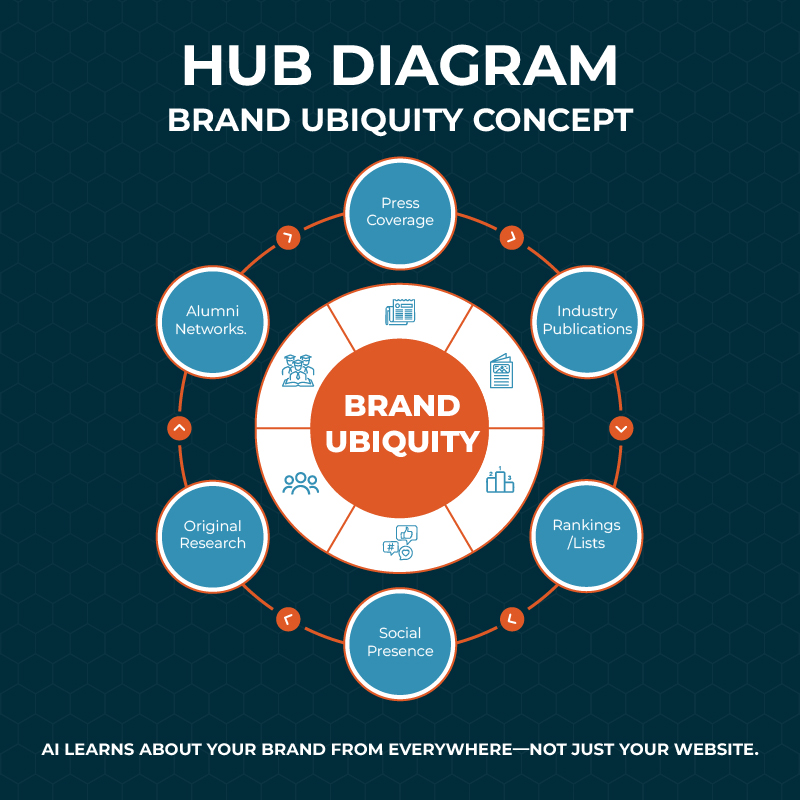
AI learns about your brand from everywhere—not just your website.
The goal isn’t any single mention. The goal is to be so present across the web that when AI thinks about your program area, your institution naturally comes to mind. Like fluoride in the water, invisible but everywhere.
Step 4: Don’t Neglect Local SEO for Regional Student Search
Local SEO is critical for attracting regional students, especially for institutions with multiple campus locations. For higher education institutions serving regional markets, local SEO directly impacts AI search results and recommendations.
When a prospective student asks, “What are the best nursing programs near me?” or uses voice search for “colleges in [city],” AI pulls from local signals. These natural language queries are increasingly common as generative AI tools encourage students to ask more conversational questions.
What to do:
- Claim and optimize Google Business Profile for each campus location
- Ensure NAP (name, address, phone) consistency across all web pages
- Create location-specific content for each campus
- Incorporate keywords naturally for regional search intent (“nursing program in [city],” “[state] MBA programs”)
- Encourage and respond to Google reviews. They’re credibility signals for both traditional search engines and AI
- Build citations in local directories and regional publications
Local SEO isn’t separate from AI SEO; it feeds it. AI systems learn about your regional presence from these same signals. Higher ed marketers often overlook local SEO because they’re focused on national rankings, but for most higher education institutions, regional search visibility is where enrollment actually happens.
Optimizing Academic Program Pages for AI-Driven Search Results
Program pages are where enrollment happens, or doesn’t. When a student asks ChatGPT, “What are the best MBA programs for working professionals?”, AI scans the web, evaluates sources, and generates an answer. Your program page either contains everything AI needs to recommend you, or it doesn’t. There’s no second impression.
Institutions should create dedicated landing pages for each academic program with detailed information. Most university program pages fail this test. They’re designed for humans who already know about the institution and are browsing to learn more. AI doesn’t browse. It extracts, evaluates, and cites, or moves on.
Students now expect instant, personalized answers to their questions during their college search. Your program pages need to deliver.
The Anatomy of an AI-Optimized Program Page
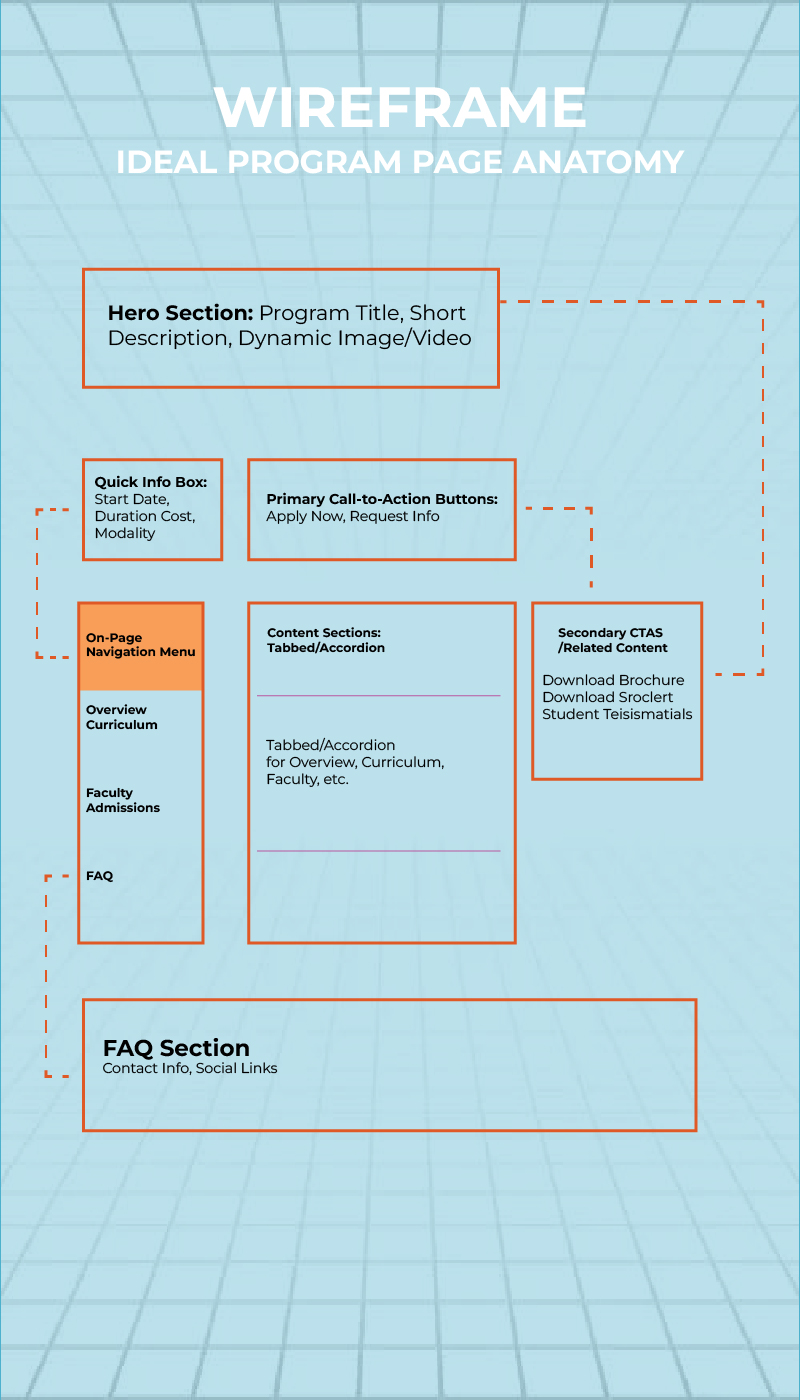
1. Clear Program Identity (Above the Fold)
Start with unambiguous program identification:
- Exact degree name and type (BS, BA, MS, MBA, MEd, PhD, etc.)
- Program format (on-campus, fully online, hybrid, evening/weekend)
- Duration (credit hours required, typical time to completion)
- Accreditation status and accrediting bodies
- Department and college affiliation
Why this matters: AI needs to correctly categorize your program. If your page title says “Business Administration” but doesn’t specify MBA vs. undergraduate, AI may miscategorize you.
2. Outcomes Data (Make It Prominent)
Universities are often reluctant to publish employment data — worried about liability, or not confident in the numbers. But students make decisions based on outcomes, and AI cites specifics.
Include:
- Employment rate within 6 months and 1 year of graduation
- Average and median starting salary
- Salary range (10th to 90th percentile)
- Top employers hiring your graduates (named companies)
- Job titles graduates hold
- Career paths and advancement trajectories
- Professional licensure/certification pass rates (nursing boards, CPA exam, bar exam, etc.)
- Graduate school acceptance rates (for undergrad programs)
If you have strong outcomes, show them. If you don’t have this data, start collecting it.
3. Curriculum Overview (Structured for Scannability)
Don’t just link to a PDF catalog. Present curriculum information directly on the page:
- Core/required courses with brief descriptions
- Elective options and specialization tracks
- Unique program features (capstone projects, internship requirements, study abroad, lab experiences)
- Sample course sequence or suggested schedule
- Total credit hours and breakdown by category
Format this as a table or structured list, not paragraphs.
4. Admission Requirements (Be Specific)
Prospective students ask AI-specific questions: “What GPA do I need for X program?” Make sure AI can find the answer on your page.
Include:
- Minimum GPA requirements (and competitive/average admitted GPA)
- Test score requirements or policies (GRE, GMAT, test-optional status)
- Prerequisite courses
- Required application materials
- Application deadlines (early, regular, rolling)
- International student requirements
5. Cost and Financial Information (Don’t Hide It)
Tuition is one of the top questions students ask. AI will answer it. The question is whether AI gets the answer from your site or somewhere else.
Include:
- Total program cost
- Per-credit-hour rate
- Fee breakdowns
- Scholarship opportunities specific to this program
- Graduate assistantship availability
- Employer tuition reimbursement partnerships
- Financial aid statistics for this program
- ROI calculations, if available
6. FAQ Section (Mirror How Students Ask)
FAQ sections structured as question-and-answer pairs are exactly what AI systems are looking for. Easy to implement, high impact.
Address questions students actually ask:
- “Can I complete this program while working full-time?”
- “What’s the difference between the online and on-campus versions?”
- “Is this program accredited?”
- “What kind of support services are available for online students?”
- “Can I transfer credits into this program?”
- “What technology/software will I need?”
- “Are there networking or career services?”
Use the exact phrasing students use. That’s what they’ll type into ChatGPT.
7. Student Testimonials and Success Stories
Real stories from real students are citation gold. AI systems recognize authentic student testimonials as credibility signals, and prospective students find them compelling. Student testimonials provide the social proof that influences user behavior during the decision-making process.
Include named testimonials (with permission), specific outcomes, and career trajectories. “Sarah graduated in 2023 and now works as a data analyst at IBM” is more citable than “Our graduates go on to great careers.”
Video testimonials work even better. They’re harder to fake and more engaging. If you have them, embed them on the page with transcripts for AI to parse. This combines video SEO with powerful conversion content.
Common Mistakes I See
Mistake 1: Content buried in PDFs
AI can’t easily parse PDF content. If your program details live in a downloadable brochure or catalog PDF, they might as well not exist for AI purposes. Extract that content and put it on the page.
Mistake 2: Fragmented information across multiple pages
If students (or AI) have to click through five pages to understand your program (overview, curriculum, admissions, financial aid, outcomes), AI won’t piece it together. Consolidate essential information into a single page, with links to deep dives.
Mistake 3: Missing or hidden outcomes data
If you have good outcomes, show them prominently. If you have mediocre outcomes, at least show the data you’re proud of. Something specific beats nothing every time.
Mistake 4: Generic marketing copy
“Prepare for success in a dynamic global economy” means nothing. Literally nothing. It’s filler text that adds no information.
Compared to: “92% of graduates employed in their field within 6 months, with an average starting salary of $68,000. Top employers include Mayo Clinic, Cleveland Clinic, and Johns Hopkins.”
Which one would you cite? Which one would AI cite?
Mistake 5: No FAQ section
If your program page doesn’t have an FAQ section, you’re leaving AI citations on the table. This is the easiest win. Just add it.
Structured Data and Schema for Higher Education
This section gets technical. Schema markup is how you explicitly tell AI what your content means — metadata that machines read. It’s becoming increasingly valuable for AI visibility.
Why Schema Matters for AI
When AI systems encounter structured data, they don’t have to guess what your content means. You’re telling them directly:
- This is an educational organization
- This is a course/program
- This is an FAQ
- This is an event
- These are the properties (name, cost, duration, requirements)
Think of it as the difference between handing someone a box of puzzle pieces versus handing them the completed puzzle. Same information, wildly different usability.
AI systems can extract information from unstructured text. But structured data is unambiguous. It removes interpretation. It’s machine-readable by design.
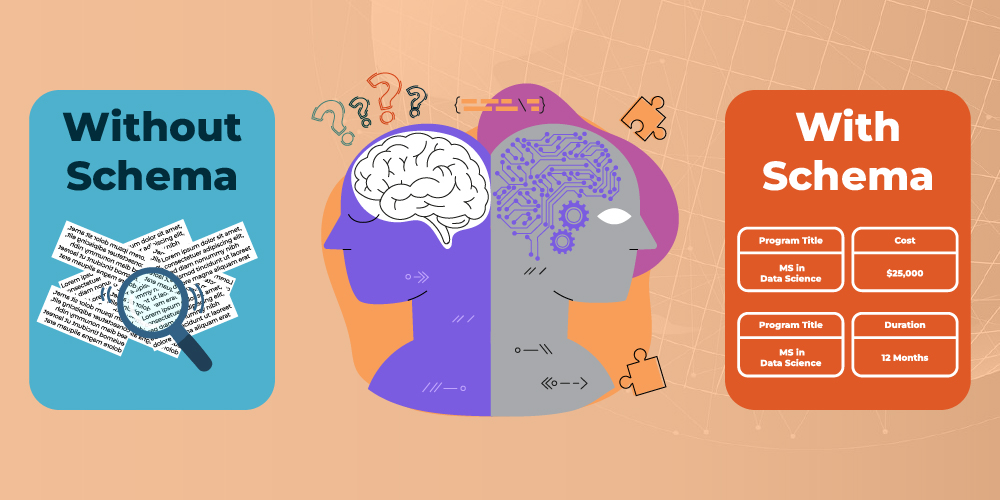
Schema removes ambiguity
Schema Types That Matter for Higher Ed
If you’re not technical, share this section with your developer. If you are technical, here are the four schema types to prioritize:
EducationalOrganization Schema
Your foundation tells AI who you are at the institutional level.
This is especially important for entity disambiguation. If your institution shares a name with another (e.g., multiple “Trinity” universities, multiple “State” schools), schema helps AI understand which one you are. The same applies to Google’s Knowledge Graph. That information panel that appears when someone searches your name. Claim and optimize your Knowledge Panel through Google’s verification process. When AI systems reference knowledge graphs, they’re pulling from that same entity data.
{
“@type”: “EducationalOrganization”,
“name”: “University Name”,
“alternateName”: “Common Abbreviation”,
“description”: “Full description of the institution”,
“url”: “https://www.university.edu”,
“logo”: “https://www.university.edu/logo.png”,
“address”: {
“@type”: “PostalAddress”,
“streetAddress”: “123 Campus Drive”,
“addressLocality”: “City”,
“addressRegion”: “State”,
“postalCode”: “12345”
},
“telephone”: “+1-555-123-4567”,
“foundingDate”: “1890”,
“accreditedBy”: [
{
“@type”: “Organization”,
“name”: “Higher Learning Commission”
}
]
}
Course Schema
For each academic program. This is where the detail matters.
{
“@type”: “Course”,
“name”: “Bachelor of Science in Nursing”,
“description”: “Four-year nursing program preparing students for RN licensure”,
“provider”: {
“@type”: “EducationalOrganization”,
“name”: “University Name”
},
“hasCourseInstance”: [
{
“@type”: “CourseInstance”,
“courseMode”: “onsite”,
“courseWorkload”: “PT120H”
},
{
“@type”: “CourseInstance”,
“courseMode”: “online”
}
],
“occupationalCredentialAwarded”: “BSN”,
“numberOfCredits”: 120,
“educationalLevel”: “Bachelor’s Degree”,
“timeRequired”: “P4Y”
}
FAQPage Schema
For those FAQ sections. This makes your Q&A pairs directly extractable.
{
“@type”: “FAQPage”,
“mainEntity”: [
{
“@type”: “Question”,
“name”: “Can I complete this program while working full-time?”,
“acceptedAnswer”: {
“@type”: “Answer”,
“text”: “Yes, our evening and weekend format is designed for working professionals…”
}
}
]
}
Event Schema
For open houses, information sessions, and application deadlines.
{
“@type”: “Event”,
“name”: “MBA Information Session”,
“startDate”: “2025-03-15T18:00”,
“endDate”: “2025-03-15T19:30”,
“location”: {
“@type”: “Place”,
“name”: “Business School Building, Room 100”
},
“eventAttendanceMode”: “https://schema.org/MixedEventAttendanceMode”,
“organizer”: {
“@type”: “EducationalOrganization”,
“name”: “University Name”
}
}
Implementation Priority
If you’re starting from zero, here’s the order:
- EducationalOrganization schema on your homepage — Define who you are
- FAQPage schema on key program and admission pages — Quick win, high impact
- Course schema on each academic program page — The biggest lift, but most valuable
- Event schema on recruitment event pages — Good for search and AI
Full disclosure: implementing this well usually requires developer resources. Your marketing team can specify what needs to be marked up, but implementation typically needs IT involvement. It’s not a quick win, but it compounds over time. Once it’s in place, it keeps working.
Technical Foundations for AI Visibility
Technical SEO and Site Performance Still Matter
Technical SEO is essential for maintaining a website’s backend health and ensuring it can be identified by search engines. Site speed, mobile responsiveness, crawlability, and security (HTTPS) still matter. AI systems may not rank web pages the way traditional search engines do, but they do learn from sites that meet basic technical standards. Search engine optimization fundamentals haven’t gone away; they’re table stakes for any higher education SEO strategy.
If your higher ed website is slow, broken on mobile, or has crawl errors, fix that first. No amount of schema markup or AI-friendly content will overcome a site that doesn’t load. Run technical SEO audits before diving into the AI-specific optimizations. AI tools can automate tasks like competitor analysis, backlink monitoring, and technical SEO audits. Tools like Screaming Frog, Sitebulb, or AI-powered platforms like Semrush can streamline this analysis.
Managing AI Crawlers
AI systems like ChatGPT, Claude, and Perplexity use their own crawlers (GPTBot, ClaudeBot, PerplexityBot) to index content. You can control their access through robots.txt. Same as traditional search engines.
Most universities should allow these crawlers. If AI can’t access your content, AI can’t recommend you. But if you have gated content or specific sections you want to exclude, you can block specific bots:
User-agent: GPTBot
Disallow: /internal-documents/
User-agent: ClaudeBot
Disallow: /internal-documents/
There’s also a newer standard emerging: llms.txt. This file (placed at your domain root, like robots.txt) tells AI systems how to interpret your site—what’s most important, how content relates, and what context matters. It’s not universally adopted yet, but worth watching as AI crawling matures.
Using AI to Support Student Recruitment
Everything above is about getting *found* by AI. But AI can also be a tool you use directly in recruitment. This section is optional reading (the core work is in the previous sections), but worth considering if you’re building out your digital strategy.
AI Chatbots for Enrollment
A lot of colleges and universities are implementing AI chatbots now. Some are doing it well. Most are not.
My take:
Do:
- Use chatbots for high-volume, repetitive questions (office hours, application deadlines, document requirements, program listings)
- Train them on your actual FAQ data — real questions from real students
- Have clear handoff protocols to human staff for complex questions
- Track what questions come up most often — this is gold for content strategy
- Set appropriate expectations (tell users they’re talking to a bot)
- Test extensively before deployment
Don’t:
- Let chatbots handle sensitive conversations (financial hardship, disability accommodations, academic concerns, mental health)
- Deploy without thorough testing across edge cases
- Expect them to replace human connection — they augment, not replace
- Use generic chatbot responses — customize for your institution
- Forget to update the knowledge base as information changes
An important distinction: The 50% of students using AI search tools weekly? They’re not looking to talk to a bot on your website. They’re using ChatGPT and Google AI Overviews because they perceive these as unbiased, aggregated answers.
Your institutional chatbot serves a different purpose. Convenience and availability, not research.
A student at 11 pm who wants to know if their transcript was received?
Chatbot territory.
A student trying to decide between your program and a competitor?
That needs a human.
AI-Powered Personalization
Some colleges and universities are using AI tools to create more personalized digital experiences:
Homepage personalization
Showing different content based on visitor signals — location, referral source, previous visits, stated interests. A visitor from Texas sees Texas-specific information and regional alumni. A visitor who previously looked at nursing programs sees nursing content prominently.
Program recommendations
“Based on your interests, you might also consider…” recommendations powered by AI analysis of similar student paths.
Dynamic financial aid estimates
AI-powered calculators that provide personalized estimates based on student-provided information.
Email campaign personalization
Content customization within email campaigns based on recipient behavior and preferences.
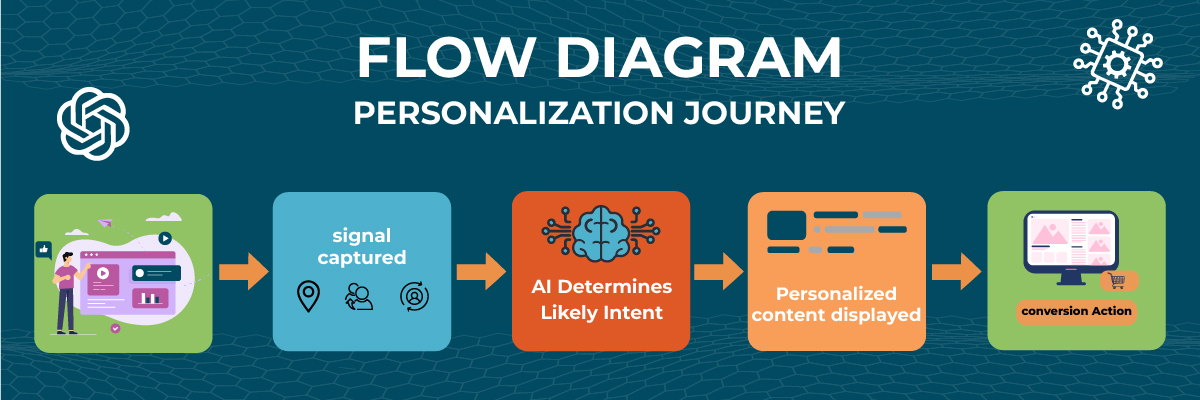
AI personalization in action.
The caveat: privacy matters. FERPA applies to student records. GDPR may apply to international visitors. State privacy laws are evolving. Be thoughtful about what data you collect, how you use it, and how you communicate that to visitors.
The line between “helpful personalization” and “creepy surveillance” is real. Stay on the right side of it.
Measuring AI SEO and Search Engine Optimization Performance
You’ve audited, optimized, and implemented. How do you know if any of this is working?
Measuring AI visibility is nothing like measuring traditional SEO. It’s messier, less precise, and still evolving. And the metrics that matter are different. You’re not just tracking organic traffic, website traffic, and keyword rankings anymore. AI-driven search features are changing how students discover information, and AI-generated search results often summarize information without requiring users to click through to your website. You need new metrics for a new search strategy.
What You Can Track
Brand mentions across LLMs
AI SEO tracking tools like Scrunch, Profound, RankScale, and others now track how often your brand appears in AI responses across ChatGPT, Claude, Perplexity, and Google AI Overviews.
Full disclosure, we use Scrunch at my agency, and I think it’s the most thorough option for agencies and enterprises. But there are others at different price points:
- Scrunch: Enterprise-focused, full-stack tracking, API access
- Profound: Enterprise-focused, detailed insights across 10+ AI engines, custom pricing
- RankScale: Budget-friendly, credit-based pricing
The tracking piece is becoming a commodity. Most tools can tell you if you’re showing up. The differentiation is in what they do with that data.
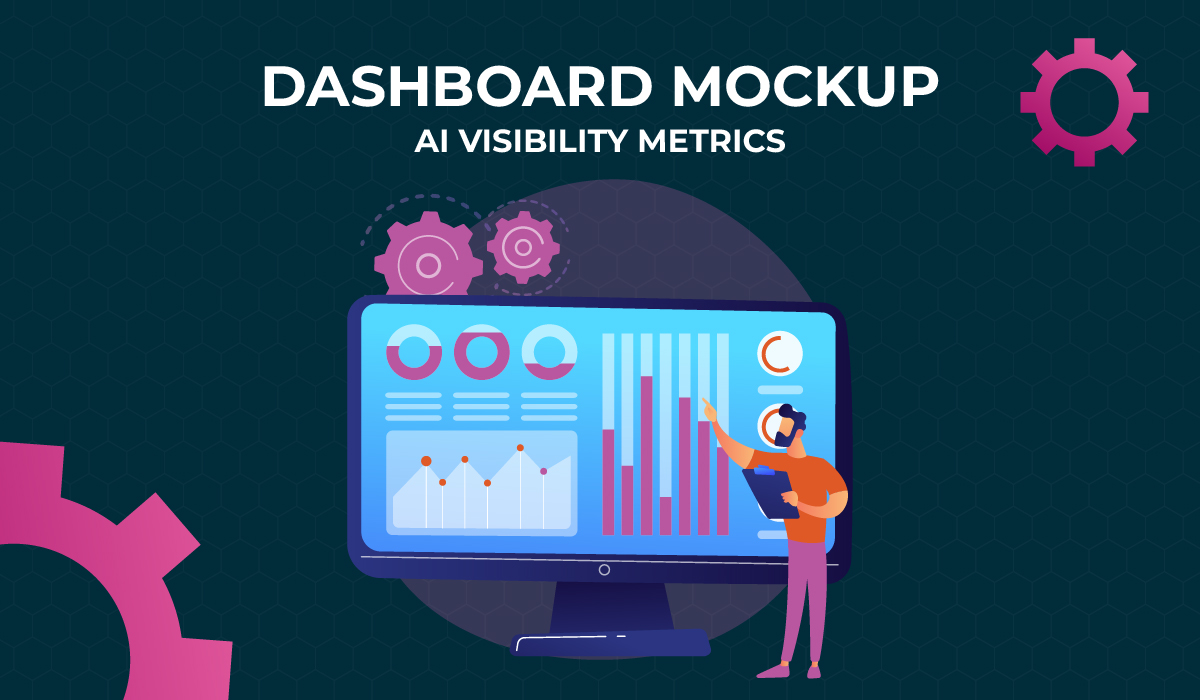
Example AI visibility dashboard—showing metrics that matter.
Position in AI-generated lists
When someone asks “best X programs,” where do you show up? First? Fifth? Not at all? This is trackable and meaningful.
Citation rate
How often does AI cite your content as a source? This is particularly important for Perplexity and Google AI Overviews, which show their sources. Being cited is different from being mentioned; it’s a stronger signal.
Sentiment and accuracy
What does AI say about you? Is it positive, neutral, or negative? More importantly, is it accurate? Inaccuracies need to be addressed.
Competitor share of voice
How do you compare to competitors in AI recommendations? If students ask about your program category, who gets mentioned most?
What You Can’t (Easily) Track
- Individual user conversations with AI (privacy and access limitations)
- Exactly how AI weighs different factors (black box)
- Real-time changes to AI recommendations (there’s always a lag)
- Causal attribution (did they enroll because AI recommended you?)
- Direct impact on website traffic from AI-driven search results (unlike Google Analytics for traditional search)
The “Windsock” Approach
I’ve said this before, and I’ll say it again: all AI tracking data is imperfect. Analytics aren’t an absolute truth. They’re opinions with decimal points.
AI tracking tools are a windsock, not a GPS. They tell you direction, not precise position.
You’re looking for directional trends:
- Are mentions increasing over time?
- Is share of voice improving vs. competitors?
- Are inaccuracies getting corrected after you update content?
- Is sentiment trending positive?
Don’t obsess over precision. Don’t argue about whether you’re mentioned in 47% or 52% of relevant queries. Pick your tool, track consistently, and look for trends up and to the right over time.
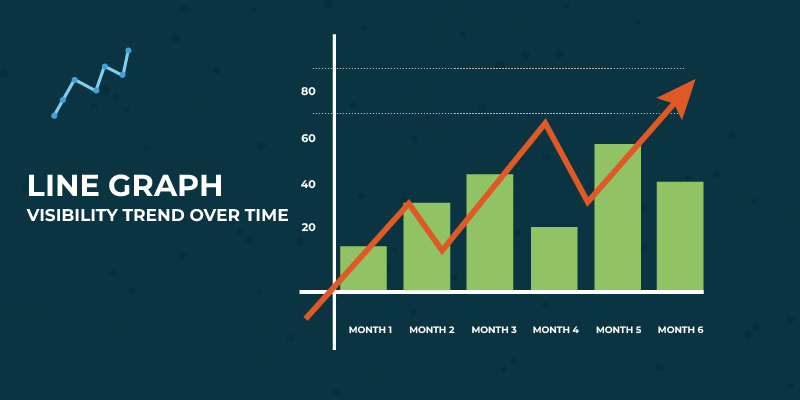
Example AI visibility dashboard—showing metrics that matter.
What This Means for Higher Ed Marketers and Marketing Teams
Where do you actually start? These higher education SEO strategies need to fit into your broader web strategy. My recommendations, scaled to your marketing teams and resources:
If You Have Limited Resources (Marketing Team of 1-3)
Start here:
- Audit what AI currently says about your institution. This takes 30 minutes and costs nothing. Open ChatGPT, Claude, and Perplexity. Ask the questions we covered. Document what’s wrong.
- Fix factual inaccuracies on your website. If AI is saying something wrong, it probably learned it from your site (or from outdated information). Update your site.
- Restructure your top 3-5 program pages. Pick your highest-priority programs. Add clear headings, FAQ sections, and outcomes data. This is manual work, but high impact.
- Add FAQ sections to key pages. If you do nothing else, do this. FAQs are the easiest content for AI to cite.
If You Have Moderate Resources (Marketing Team of 4-10)
Add:
- Implement basic schema markup. Start with EducationalOrganization on your homepage and FAQPage schema on key pages. This requires developer time but pays dividends.
- Create a thorough “About” page optimized for AI. A single page that fully answers “What is [University Name]?” with specific data points, history, differentiators, and programs.
- Set up tracking with an AI visibility tool. Pick one, commit to it, and track monthly. RankScale is affordable for smaller teams.
- Train your content team on AI-friendly formatting. Share this guide. Make it part of your content standards.
If You’re Ready to Go Deep (Dedicated Digital Team)
Then:
- Full schema implementation across all program pages. This is a project. Scope it, resource it, execute it systematically.
- Competitive analysis based on AI presence. What are competitors doing that you’re not? Where are they getting cited and you’re not?
- Ongoing optimization and monitoring program. Monthly reviews of AI visibility data. Quarterly content updates based on findings.
- Integration with broader GEO strategy. AI SEO doesn’t exist in isolation. Connect it to your overall search strategy, content creation strategy, and brand strategy. Your SEO strategies should address both traditional search engines and AI platforms.
- PR and content strategy aligned with AI visibility. Proactive outreach to get mentioned in publications AI learns from.
The Bottom Line: Adapting Higher Education SEO Strategies for AI
What this all comes down to:
Brand used to be what you said about yourself. You controlled the message.
Then it became what others said about you. Reviews, social media, word of mouth.
Now it’s what AI understands and believes about you. AI synthesizes everything (your content, others’ content, structured data, citations) and forms a representation of your institution that it shares with millions of users.
Universities that move early get the edge. The rest play catch-up.
The tactics here work. I’ve tested them. I’ve seen universities go from invisible in generative search results to consistently recommended. But tactics change. AI changes fast. What won’t change is the need to help AI systems understand who you are, what you offer, and why you matter.
Ultimately, that’s not so different from what we’ve always done in higher ed marketing. We’re just speaking to a new kind of audience. One that never sleeps, has perfect memory, and is advising a third of your prospective students.
The question isn’t whether to adapt. It’s how fast.
What’s Next
Ready to see where you stand?
Start with our free AI Website Grader at ai-grader.searchinfluence.com. It analyzes your site’s AI visibility and gives you a baseline to work from. Then schedule a conversation with our team to walk through the results and identify your highest-impact opportunities.
Try the AI Website Grader | Schedule a Consultation
Resources
AI Visibility Tracking Tools:
- Scrunch (enterprise, full-stack tracking)
- RankScale (budget-friendly, credit-based)
- Profound (enterprise, custom pricing)
Schema Implementation:
- Schema.org/EducationalOrganization documentation
- Google’s Rich Results Test
- Schema markup generators (free tools available)
Further Reading:
- UPCEA/Search Influence: “AI Search in Higher Education” (2025 research study)
- SparkToro/Datos: AI Search Usage Data reports
- Google Search Central: AI Overviews documentation
Tools Mentioned:
- ChatGPT
- Claude
- Perplexity
- Google AI Overviews (in Google Search)
*Will Scott is cofounder of Search Influence, a digital marketing agency specializing in higher education. He teaches the SMX Masterclass on Generative Engine Optimization (GEO) and has been tracking the AI search space since late 2022. Connect with him on LinkedIn.*